Where is Dominica?
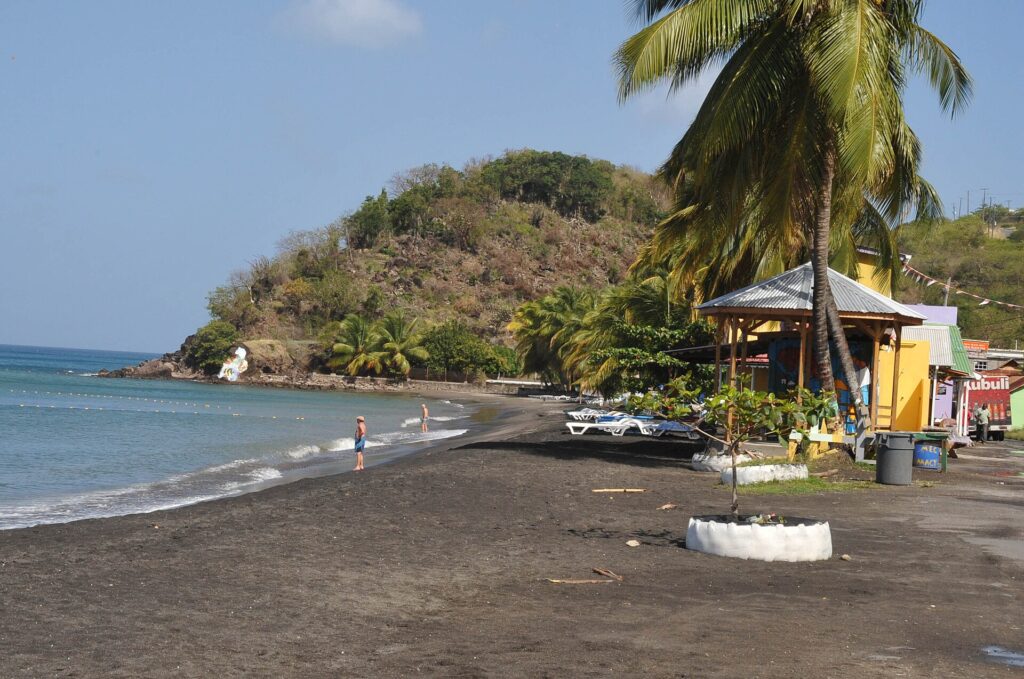
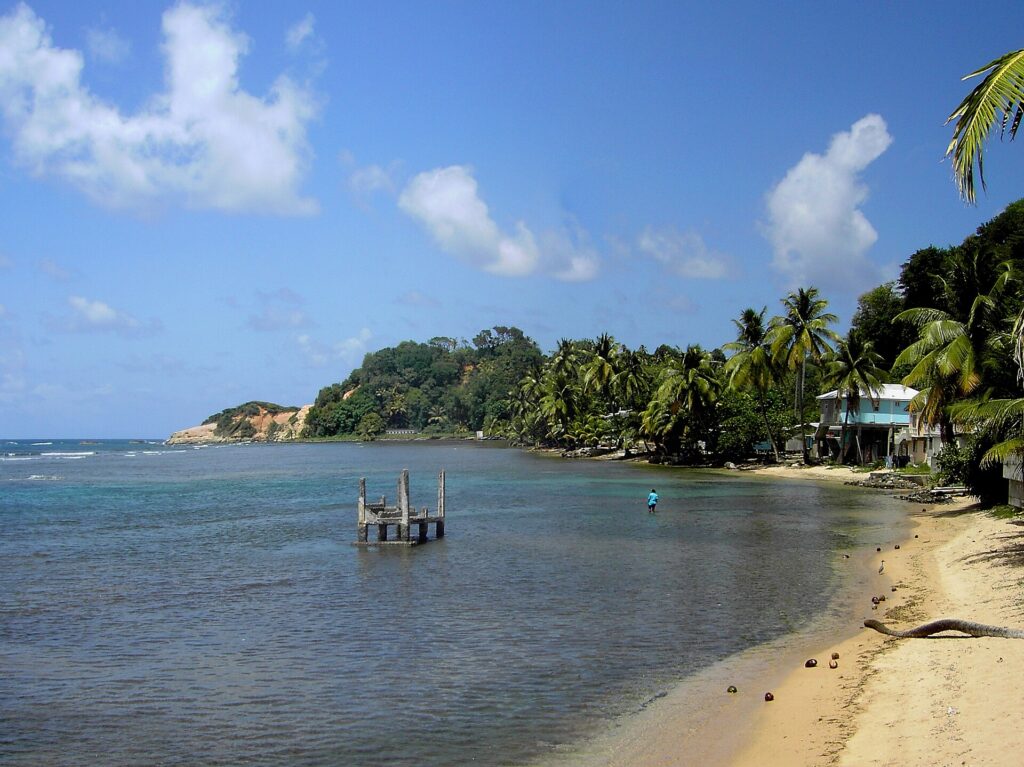
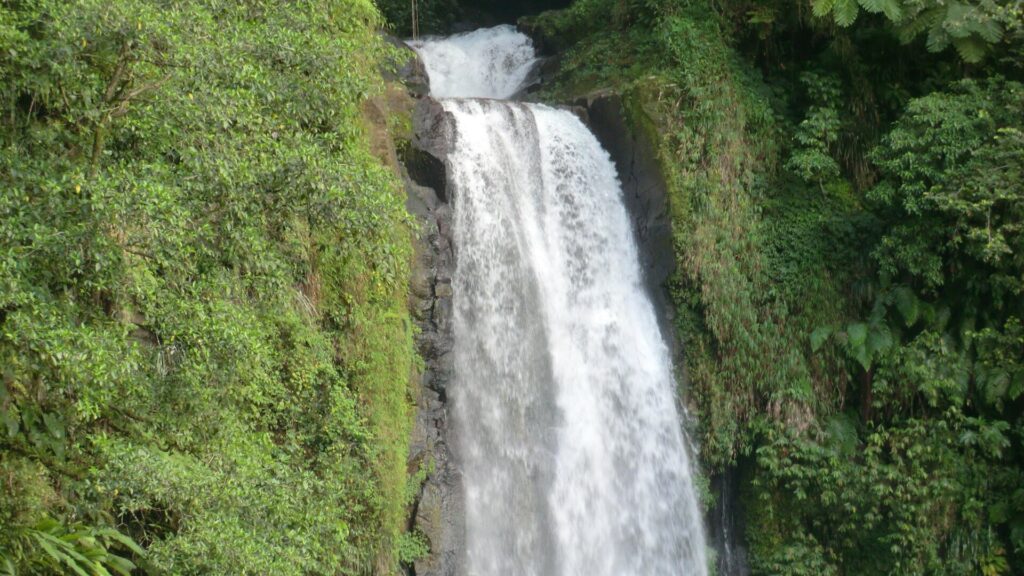
Dominica (say it dom-in-EE-ka) is in the Windward Islands of the Eastern Caribbean, between the French islands of Guadeloupe to the north and Martinique to the south. Dominica is its own country, not to be confused with the Dominican Republic. The island is 290 square miles of steep volcanic mountains and rainforest, which is why it has kept its nickname, the Nature Isle of the Caribbean.
Getting here
Most visitors fly into Douglas-Charles Airport (DOM) on the northeast coast, usually connecting through a larger Caribbean hub. The fast ferry, L’Express des Iles, links Roseau with Guadeloupe, Martinique and St. Lucia. Check current entry requirements and airlines with Discover Dominica before you book.
Money, language and getting around
The currency is the Eastern Caribbean dollar, and US dollars are widely accepted. English is the official language, and you will hear Kwéyòl, a French-based Creole, everywhere. Traffic drives on the left and the mountain roads are narrow and winding, so many visitors use taxis or hire a driver-guide for day trips.
When to visit
The Atlantic hurricane season runs from June to November, and the rainforest gets rain year round. October is the island’s biggest month for culture, with the World Creole Music Festival, Jounen Kwéyòl and Independence on November 3; Mas Domnik, Dominica’s carnival, takes over the streets in the days before Ash Wednesday.
Culture
Dominica’s culture mixes African, French Creole, British and Indigenous roots. The Kalinago Territory on the east coast is home to the Kalinago people, the Caribbean’s last remaining Indigenous community. Music runs through everything, from jing ping and cadence-lypso to bouyon, the island’s own sound. Independence came on November 3, 1978, and the purple Sisserou parrot on the national flag is found nowhere else on Earth.